




"What happens if it breaks?" That's the very first question people asked me when I launched Lightyshare. The owner frets over their gear while the renter dreads having to pay back a fortune, and as long as that point stays murky, nobody rents with an easy mind. So let me explain, jargon-free, how insurance and the deposit work on the platform: what's covered, what isn't, and what really happens the day things go wrong.

Why insurance changes everything
Video gear is fragile, and it costs a fortune. A camera that slips out of your hands. A scratched lens. A light that dies mid-shoot. It happens, even to the most careful operator, and without a clear framework the smallest accident turns into a standoff, each side digging into their own version of events. Insurance is precisely what defuses that: it absorbs the blow on behalf of both parties, so trust doesn't rest solely on the other person's good faith.
How insurance works on Lightyshare
Every rental booked on Lightyshare comes with insurance included. The moment you book and pay through the platform, the transaction is protected against physical damage for the entire rental period. The owner sleeps easy about the value of their camera. On your side, no more contract to take out for every shoot, no more pro insurance you may not even have.
My golden rule, and I'll never bend it: everything goes through the platform. A deal settled hand to hand, off the site, triggers no coverage at all. It's paying on Lightyshare that arms the insurance, nothing else.
What the deposit is for
The deposit is a sum frozen for the duration of the rental, separate from the price. It isn't charged. It serves as a guarantee and is released on return, as soon as owner and renter agree on the condition of the gear.
Deposit and insurance work as a pair. The first holds both parties accountable and absorbs the everyday minor mishaps, the second steps up for heavy damage. That tandem lets me keep deposits reasonable while protecting gear that can be worth as much as a car.
What's covered, and what isn't
Insurance targets accidental physical damage occurring during the rental, the unexpected, the on-set accident. Some situations, however, remain your responsibility or fall entirely outside the scope:
- normal wear and tear on properly used equipment;
- damage caused by blatant negligence or off-piste use (taking a non-weather-sealed camera out in the rain, typically);
- makeshift exchanges off the platform, with no booking or payment through Lightyshare;
- losses stemming from a bogus description or a defect nobody bothered to declare.
If something breaks or is stolen, what happens?
Most guides stay vague at this exact point. The right move, though, comes down to one word: document, fast and well.
- Report the problem right away, through the platform, without waiting for the rental to end.
- Photograph the gear and the damage, from several angles.
- Keep a record of your exchanges with the other party, always through the site's messaging.
- For theft, a police report is usually required.
The cleaner and faster the file, the more the claim follows the same pace. Damage spotted three days after the return, with no photo or message, throws the door wide open to a dispute. That's why you build the right reflex right at handover (my tips follow below).
Owner side: is your equipment protected?
Whether you're an individual renting out your camera between projects, or a pro rental house with a real inventory behind you: same logic. As long as booking and payment go through Lightyshare, your rental benefits from the included insurance on top of the deposit. You don't trust a stranger blindly, you lean on a framework, on verified profiles, on reviews.
The best file in case of trouble is the one you build before you even hand over the gear: two or three photos at handover, just as many on return. Thirty seconds that spare you hours of bickering.
My tips for a hassle-free rental
- Inspect the gear at handover. Two photos at the start, two at the return, and both parties are covered.
- Test everything in front of the owner. Power up the camera, mount the lenses, check the batteries before you leave.
- Never leave the platform. Book, pay and chat through Lightyshare to keep the benefit of the insurance.
- Read the description, really. As an owner, spell out condition and accessories to the letter. As a renter, flag the smallest discrepancy you notice.
- Plan for the deposit. Check its amount before booking, to avoid the cold shower at payment.
Equipment to rent, insurance included
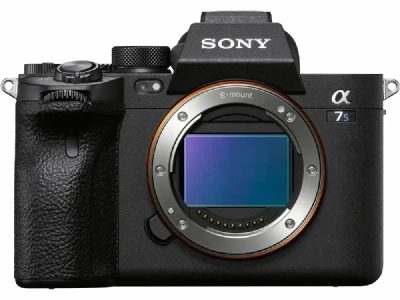
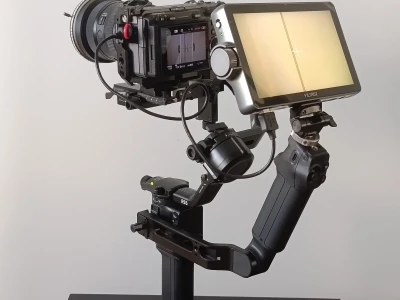
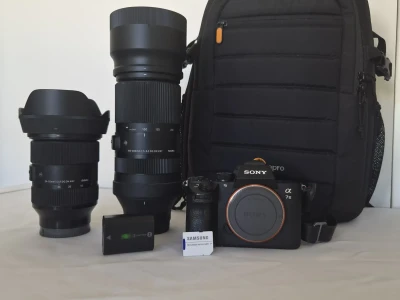
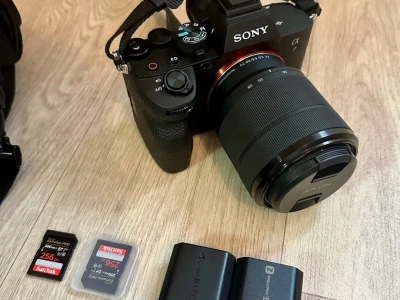
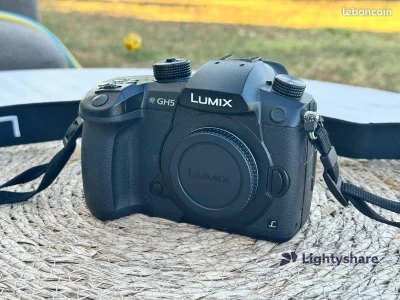
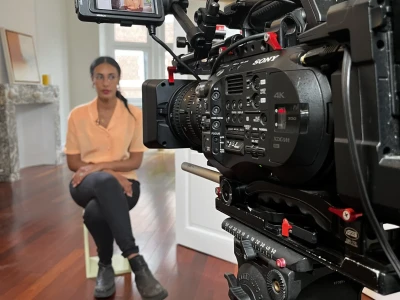
Every listing below is covered by the included insurance from the moment you book. A few of the most popular models, with their real starting price.
Frequently asked questions
Is insurance included in every rental?
Yes. As soon as you book and pay through the platform, the insurance kicks in, with no extra charge and no contract for you to take out yourself. It covers accidental physical damage occurring during the rental.
What is the deposit and when is it returned?
The deposit is a sum frozen during the rental, separate from the price. It isn't charged if the gear comes back in good condition, and it's released as soon as you and the owner agree on the condition at return.
What happens if something breaks during the rental?
Report it right away through the platform, photograph the gear and the damage, then keep a record of your exchanges. For theft, a police report is usually required. The cleaner and faster the file, the more the claim follows the same pace.
Am I covered for a rental made off Lightyshare?
No. The protection only applies to rentals booked and paid through the platform. A makeshift deal off the site carries no insurance, and that's exactly why you should stay on Lightyshare.
Is owners' equipment protected, even for an individual?
Yes. Individual or pro rental house, as soon as the rental goes through Lightyshare, the gear benefits from the included insurance and the deposit. That's what lets you rent to a stranger without sacrificing your peace of mind.